lsolved Audits: Data Review, Verification, and Platform Transparency
 animoreno0311@gmail.com
Introduction
Organizations that use online platforms often need to review stored data for accuracy, consistency, and accountability. Searches related to lsolved sometimes reflect interest in how information can be reviewed, verified, or audited within the system.
This article explains how audit and review concepts typically apply to platforms like lsolved, focusing on transparency and data verification rather than operational claims.

What Is lsolved?
lsolved is a web-based platform that provides centralized access to digital tools and stored records through an online interface. Like many account-driven systems, it supports structured data storage that can be reviewed and verified over time.
Audit-related capabilities depend on configuration, permissions, and organizational policies.
Understanding Audits in Online Platforms
In the context of online platforms, audits generally involve:
- Reviewing stored records
- Verifying data accuracy
- Confirming access permissions
- Ensuring changes are traceable
Audits may be internal or external, depending on organizational needs.
Data Review and Verification
Data verification typically focuses on:
- Consistency of stored records
- Accuracy of historical information
- Alignment between actions and recorded data
Platforms like lsolved help support verification by maintaining organized and time-stamped records.
Audit Trails and Record History
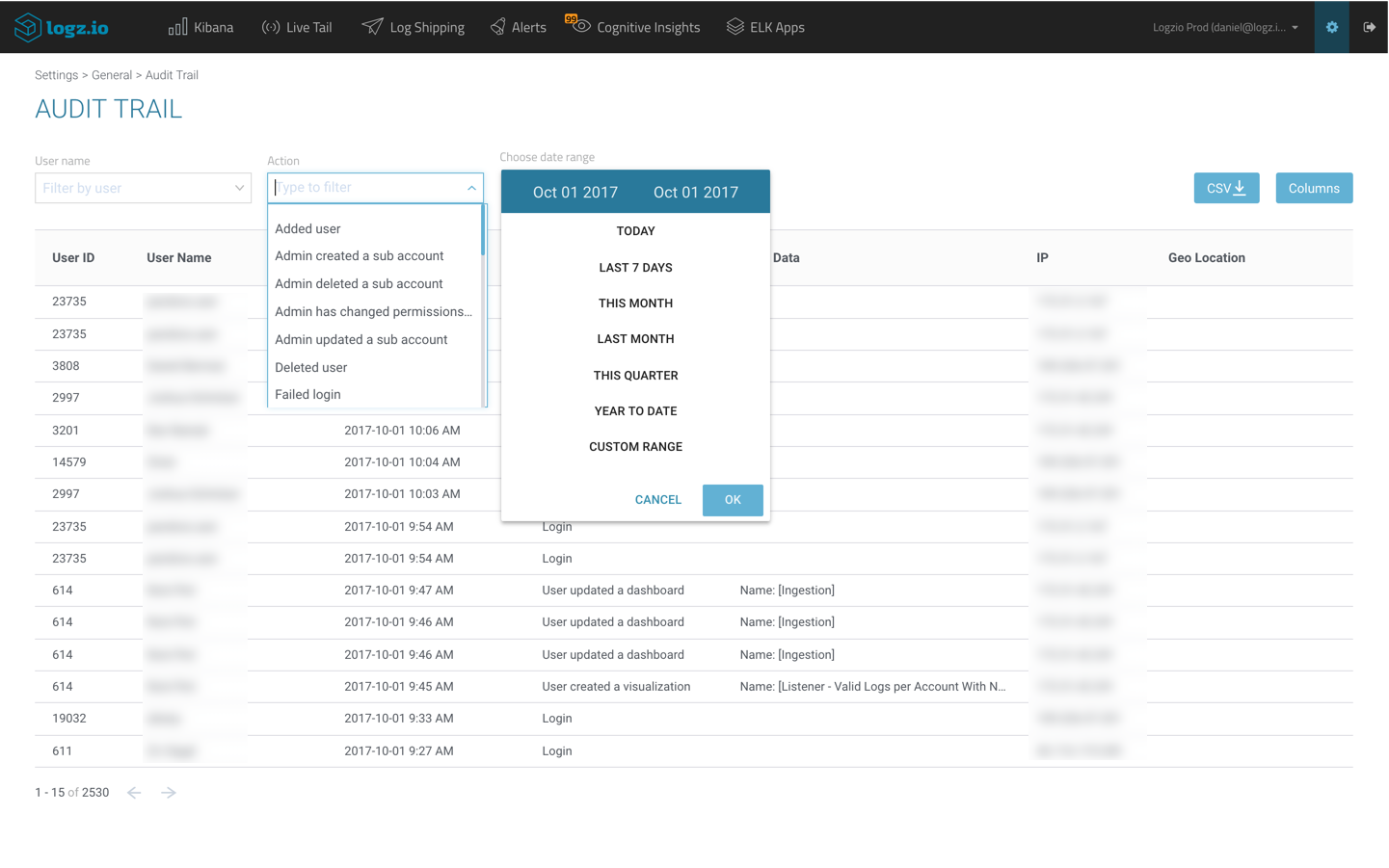
Many online systems maintain audit trails or activity logs that:
- Track changes over time
- Record who accessed or modified data
- Preserve historical versions of records
These trails help reviewers understand how data evolved within the platform.
Role of Permissions in Audits
Access permissions play an important role in audits by:
- Limiting who can modify records
- Supporting accountability
- Helping identify authorized actions
Clear role separation simplifies the audit and review process.
Transparency and Accountability
Transparency in data handling helps organizations:
- Build internal trust
- Respond to review requests
- Identify discrepancies early
Structured platforms support transparency by keeping records centralized and accessible to authorized users.
Using Reports for Audit Preparation
Reports and summaries are often used during audits to:
- Review data across specific periods
- Compare historical information
- Identify anomalies or inconsistencies
Reporting tools complement audit trails by presenting data in readable formats.
Common Audit-Related Questions
Users often ask:
- How can past data be reviewed?
- Who can access audit information?
- Are changes tracked over time?
- How long are records retained for review?
Answers depend on platform configuration and internal governance rules.
Preparing for Reviews in Online Systems
Organizations often prepare for audits by:
- Reviewing access permissions
- Ensuring records are complete
- Maintaining clear documentation
- Using standardized reports
Online platforms help reduce preparation effort by centralizing data.
Conclusion
lsolved supports audit and review processes by organizing records, maintaining data history, and enabling controlled access to stored information. These capabilities help organizations review, verify, and understand their data in a transparent and accountable manner.
Understanding audit concepts within online platforms allows users to approach data reviews with greater clarity and confidence.
