lsolved Reports: Summaries, Data Review, and Platform Insights
 animoreno0311@gmail.com
Introduction
Reporting tools are an essential part of many online platforms. Users often rely on summaries and reports to review activity, verify records, and understand how data is organized over time. Searches related to lsolved frequently include interest in reports, summaries, and data review features.
This article explains how reporting and summaries typically function within lsolved from an informational perspective.

What Is lsolved?
lsolved is a web-based platform that provides users with controlled access to digital tools, records, and stored data. As part of its functionality, the platform may present information in summarized or report-based formats to support data review and oversight.
The specific reports available depend on system configuration and user permissions.
Understanding Reports in Online Platforms
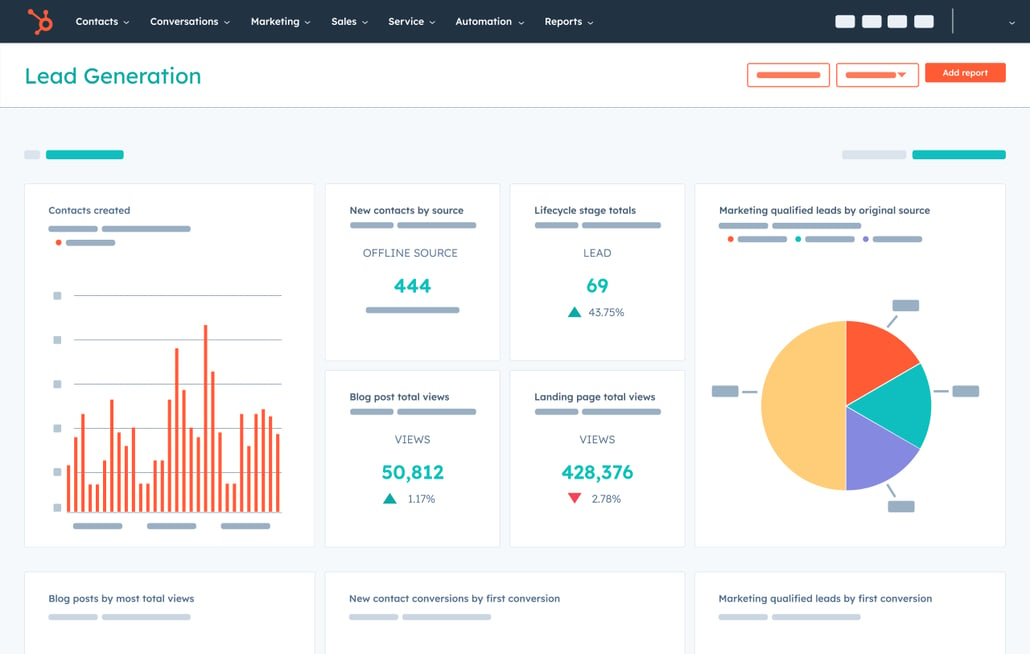
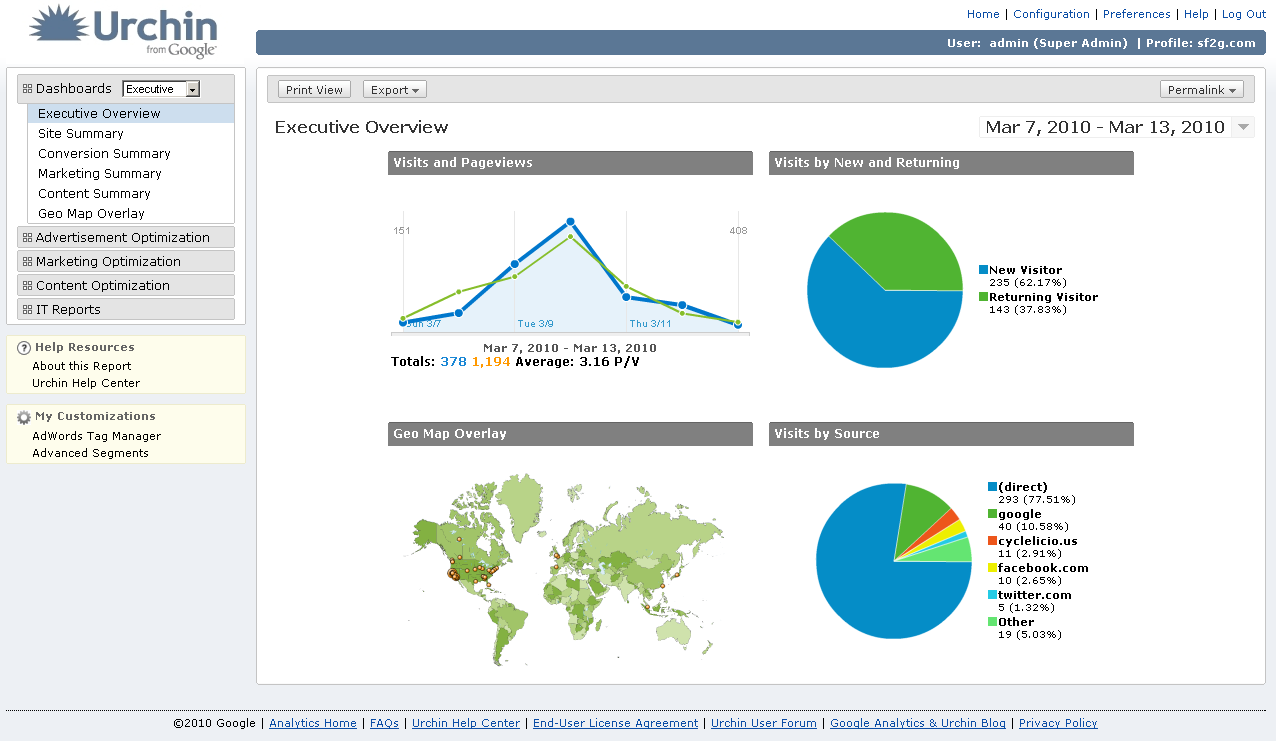
Reports are structured views of stored data designed to:
- Summarize activity over a period
- Organize records into readable formats
- Support reviews and verification
- Reduce the need for manual data analysis
Platforms like lsolved use reports to make complex data easier to understand.
Common Types of Reports
Depending on configuration, lsolved-style platforms may provide access to:
Summary Reports
High-level overviews that consolidate data into totals or key figures for a selected timeframe.
Activity Reports
Reports that show actions, changes, or events recorded within the system.
Record-Based Reports
Detailed listings of stored records that allow users to review historical information.
Using Reports for Data Review
Users often rely on reports to:
- Verify account activity
- Review historical records
- Support internal checks
- Answer operational questions
Structured reports reduce ambiguity and improve clarity.
Role of Permissions in Reporting
Access to reports is typically controlled by user roles. This means:
- Some users may view only basic summaries
- Others may access detailed reports
- Administrative users may export or manage reports
Permissions help protect sensitive information while still enabling transparency.
Data Accuracy and Reporting
Accurate reporting depends on:
- Consistent data entry
- Proper system configuration
- Controlled access to records
Online platforms help maintain accuracy by standardizing how reports are generated.
Accessing and Reviewing Reports
Authorized users may access reports through:
- Dashboard sections
- Reporting or analytics menus
- Downloadable report views
Clear navigation helps users locate relevant summaries efficiently.
Importance of Reporting for Organizations
Reporting tools support:
- Transparency
- Accountability
- Better decision-making
- Long-term recordkeeping
Well-structured reports reduce reliance on external tools or spreadsheets.
Common Questions About Reports
Users often ask:
- What reports are available?
- Who can see detailed summaries?
- Can reports be exported?
- How far back does report data go?
Answers typically depend on administrator settings and retention policies.
Conclusion
lsolved supports reporting and data summaries by organizing stored information into structured views that help users review and understand system data. By providing summaries and reports aligned with user permissions, the platform supports clear and responsible data oversight.
Understanding how reports work within lsolved helps users use the platform more effectively and with greater confidence.
