lsolved Roles: User Permissions, Admin Access, and Account Control
 animoreno0311@gmail.com
Introduction
Most online platforms rely on role-based access to manage who can view, modify, or control system data. Users searching for lsolved often want to understand why different users see different features and how access is structured within the platform.
This article explains how roles and permissions typically work in lsolved and why role separation is important for secure system use.
What Is lsolved?
lsolved is a web-based platform that provides controlled access to digital tools and records through an online interface. The system uses role-based permissions to determine which features and data are available to each user.
The exact role structure depends on how the platform is configured by the organization using it.
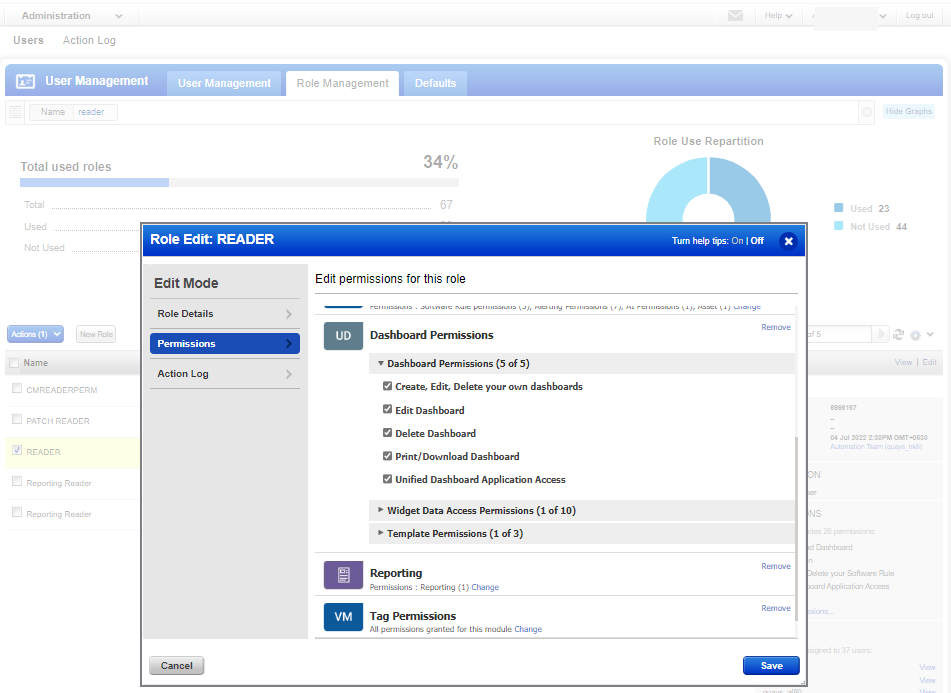
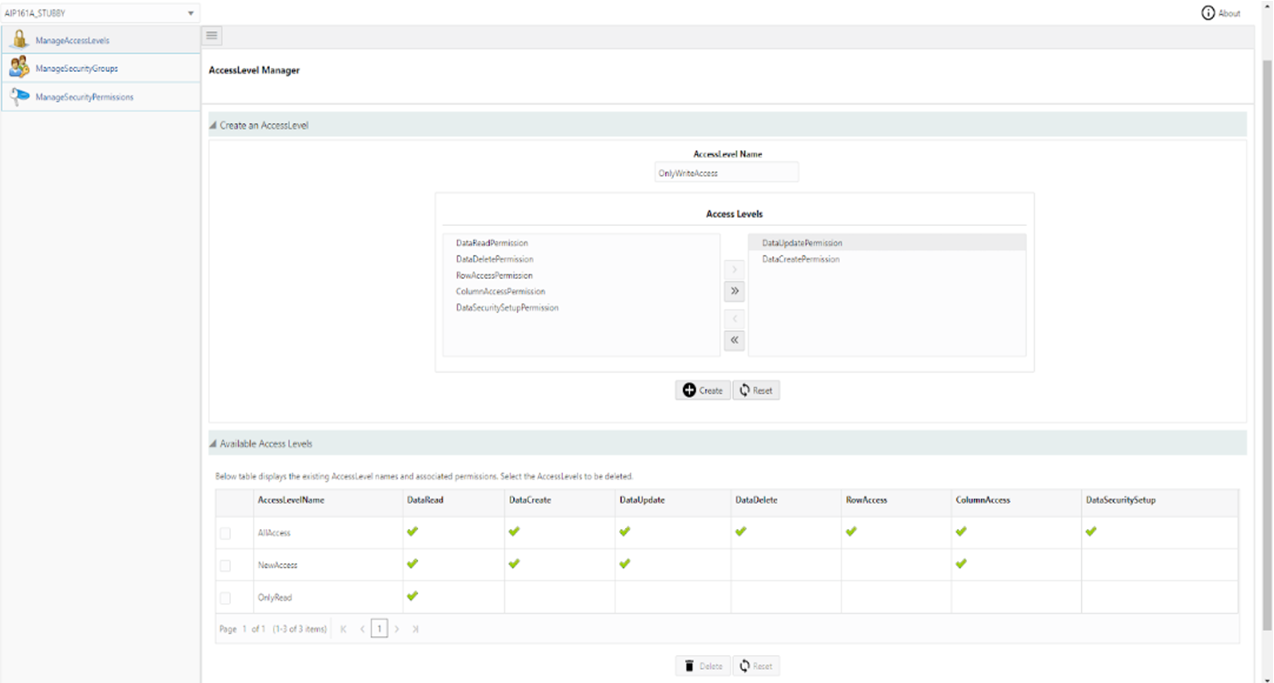
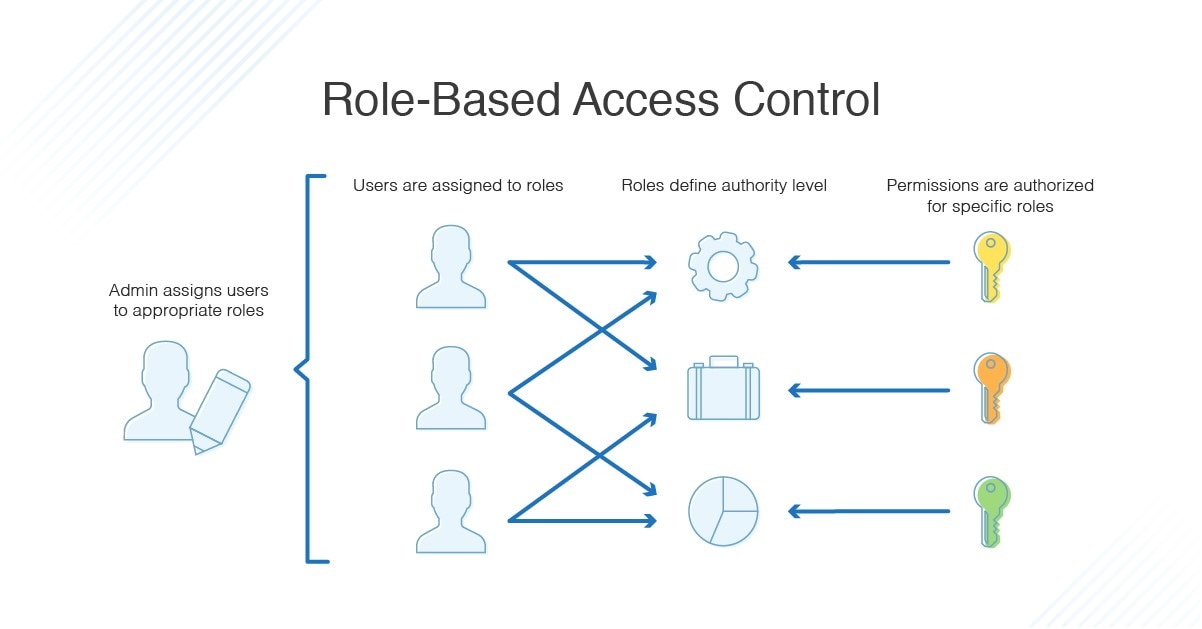
Understanding Role-Based Access
Role-based access means that:
- Users are assigned specific roles
- Each role defines available actions
- Permissions limit access to sensitive data
This structure helps prevent unauthorized changes and supports system integrity.
Administrator Roles and Responsibilities
Administrators typically have the highest level of access within lsolved. Their responsibilities may include:
- Managing user accounts
- Assigning or updating permissions
- Configuring system settings
- Reviewing system activity or records
Admin access is usually restricted to a small number of trusted users.
Standard User Permissions
Standard users usually have limited access designed for daily tasks. Depending on configuration, they may be able to:
- View account information
- Access assigned tools or records
- Review historical data
They generally cannot change system-wide settings or permissions.
Why Permission Separation Matters
Separating admin and user roles helps:
- Protect sensitive data
- Reduce accidental changes
- Maintain accountability
- Support compliance and audits
Role separation is a common best practice across online platforms.
Managing Permissions Over Time
Organizations often review permissions periodically to ensure:
- Access aligns with job responsibilities
- Former users no longer have access
- Elevated permissions are still required
Regular reviews help maintain platform security.
Permissions and Data Visibility
Permissions also affect what data users can see. Depending on roles:
- Some users may see full records
- Others may only see summaries
- Certain data may be hidden entirely
This ensures information is shared on a need-to-know basis.
Common Questions About Roles in lsolved
Users frequently ask:
- Why can’t I see certain features?
- Why does another user have more access?
- Who can change permissions?
- Can roles be customized?
Answers usually depend on administrator settings and internal policies.
Best Practices for Role Management
Effective role management often includes:
- Assigning the minimum required access
- Limiting admin roles
- Reviewing permissions regularly
- Documenting role responsibilities
These practices support secure and efficient platform use.
Conclusion
lsolved uses role-based permissions to control access, protect data, and maintain system stability. By separating administrator responsibilities from standard user access, the platform supports secure and organized account management.
Understanding roles and permissions helps users interact with lsolved more effectively and with clearer expectations.
