lsolved Security: Data Protection, Privacy, and Account Safety
 animoreno0311@gmail.com
Introduction
Online platforms that manage account-based access often handle sensitive information. As a result, users searching for lsolved frequently want to understand how data is protected, how privacy is maintained, and what security measures are typically involved.
This article provides a neutral, informational overview of security and privacy concepts associated with lsolved.

What Is lsolved?
lsolved is a web-based platform that provides controlled access to digital tools, records, or services through an online interface. Like most account-driven systems, it relies on authentication, permissions, and data management practices to help protect user information.
Specific security features depend on how the platform is configured by the organization using it.
Why Security Matters in Online Platforms
Security is critical for platforms that manage:
- Account credentials
- Personal or organizational data
- Activity and usage records
- System-generated documentation
Strong security practices help reduce unauthorized access and protect data integrity.
Account Authentication and Access Control
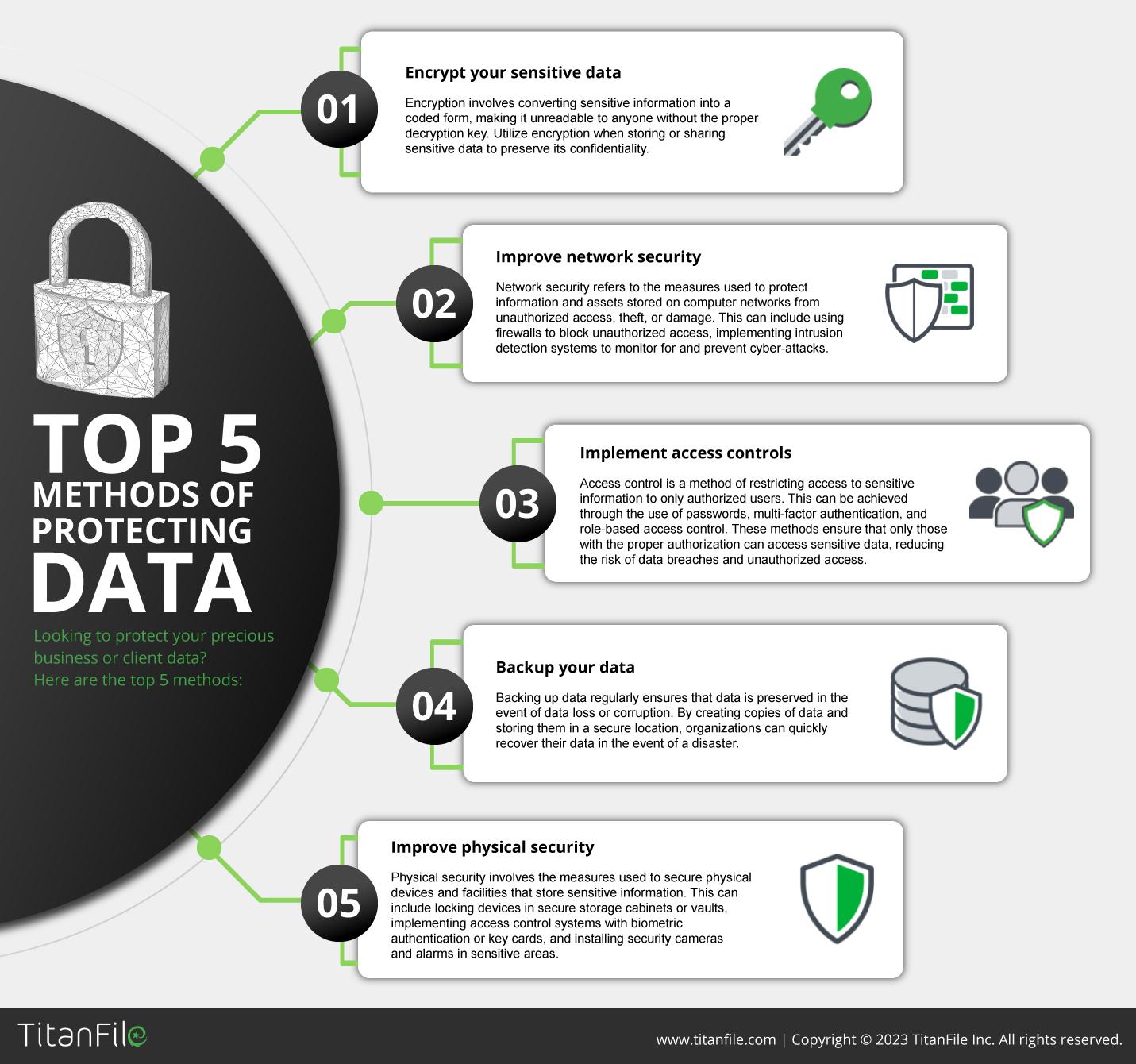
Online platforms such as lsolved typically secure access through:
- Credential-based login (username/email and password)
- Session-based access controls
- Role-based permissions
These mechanisms ensure that users only access areas relevant to their role.
Data Protection and Storage
Web-based systems commonly store data in centralized environments designed to:
- Prevent unauthorized access
- Maintain data accuracy
- Preserve availability of records
Data protection measures may include restricted access layers and secure storage infrastructure.
Privacy Considerations
Privacy is closely linked to security. Platforms like lsolved usually aim to:
- Limit data visibility based on user roles
- Prevent unnecessary exposure of sensitive information
- Maintain confidentiality of stored records
Organizations using the platform are generally responsible for defining internal privacy policies.
Role-Based Permissions and Security
Role-based access helps improve security by:
- Separating administrative and standard user functions
- Reducing accidental or unauthorized changes
- Supporting accountability and audit readiness
Permissions are typically reviewed and managed by administrators.
User Responsibilities for Account Safety
Users can help maintain account security by:
- Using strong, unique passwords
- Avoiding shared or public devices
- Logging out after sessions
- Reporting suspicious activity
Responsible user behavior complements system-level protections.
Security and Trust
Effective security practices support:
- User confidence
- Data integrity
- Long-term system reliability
For many users, trust in data protection is a key factor when interacting with online platforms.
Common Security-Related Questions
Users often ask:
- Who can see my data?
- How is access restricted?
- What happens if credentials are compromised?
- How are permissions managed?
Clear documentation and internal procedures help address these concerns.
Conclusion
lsolved operates within the category of secure, web-based platforms that emphasize controlled access, data protection, and privacy-aware system use. By applying standard security concepts such as authentication, role-based access, and protected data storage, the platform supports safe and reliable account access.
Understanding security and privacy principles helps users interact with lsolved more confidently and responsibly.
